Avian Influenza (H5N1) and Cats: What You Need to Know
Written by Dr. Jamie Richardson (she/her)
Recent developments regarding avian influenza (H5N1), also known as bird flu, have raised concerns for pet owners. While rare, domestic cats can contract H5N1 under certain circumstances. Here’s everything you need to know about protecting your pets.
In this article:
- Can Cats Get Bird Flu?
- Symptoms of Bird Flu in Cats
- Bird Flu in Dogs
- Bird Flu and Humans
- Pet Food Recall
- The Risks of Raw Diets
- How to Protect Your Cat from Bird Flu
- What to Do If Your Cat Shows Symptoms
Can Cats Get Bird Flu?
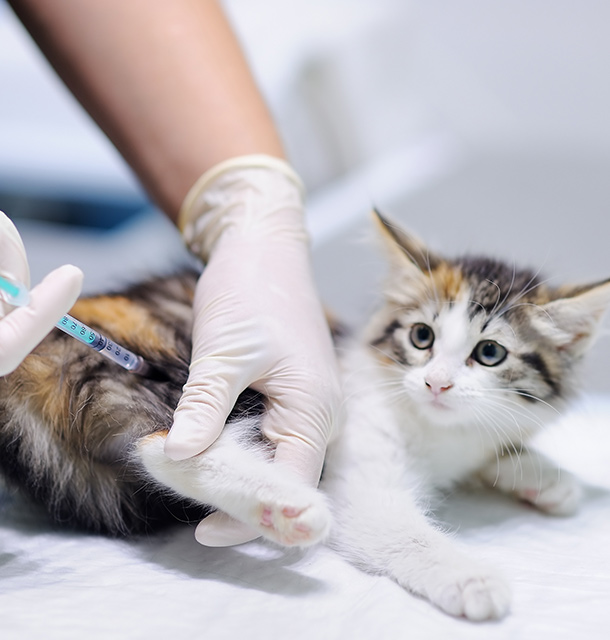
Yes, domestic cats can contract avian influenza (H5N1), though cases are uncommon. Cats are usually exposed through the consumption of infected birds or contaminated raw meat products. While indoor cats face minimal risk, outdoor cats or those with access to raw diets are more susceptible. There have not been any reports of infected domestic cats on the east coast since reporting began in 2022. There is no vaccination available to domestic pets or people.
Symptoms of Bird Flu in Cats:
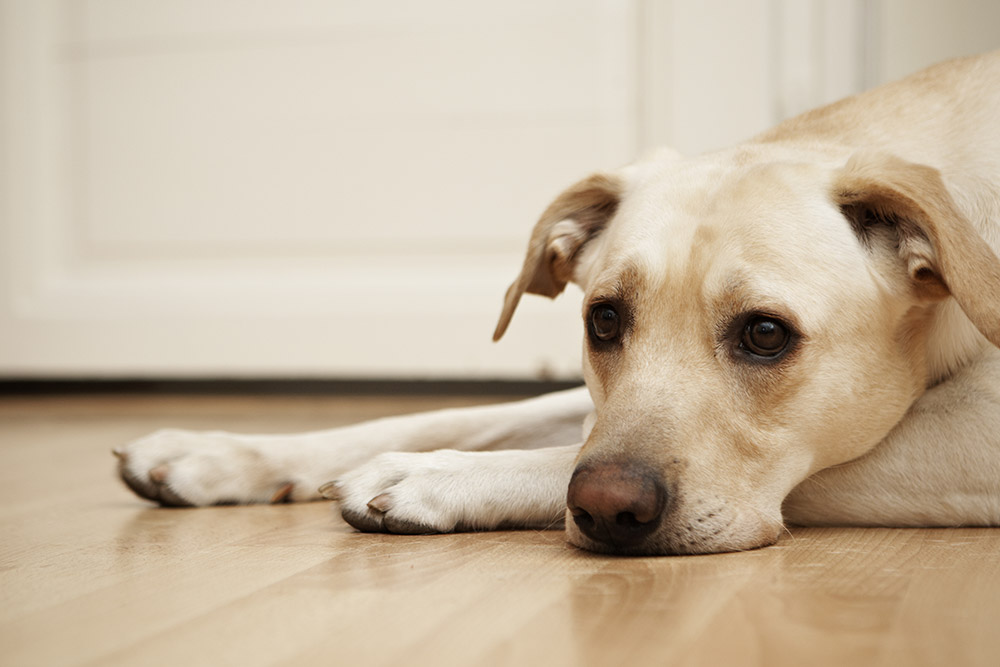
- Loss of appetite
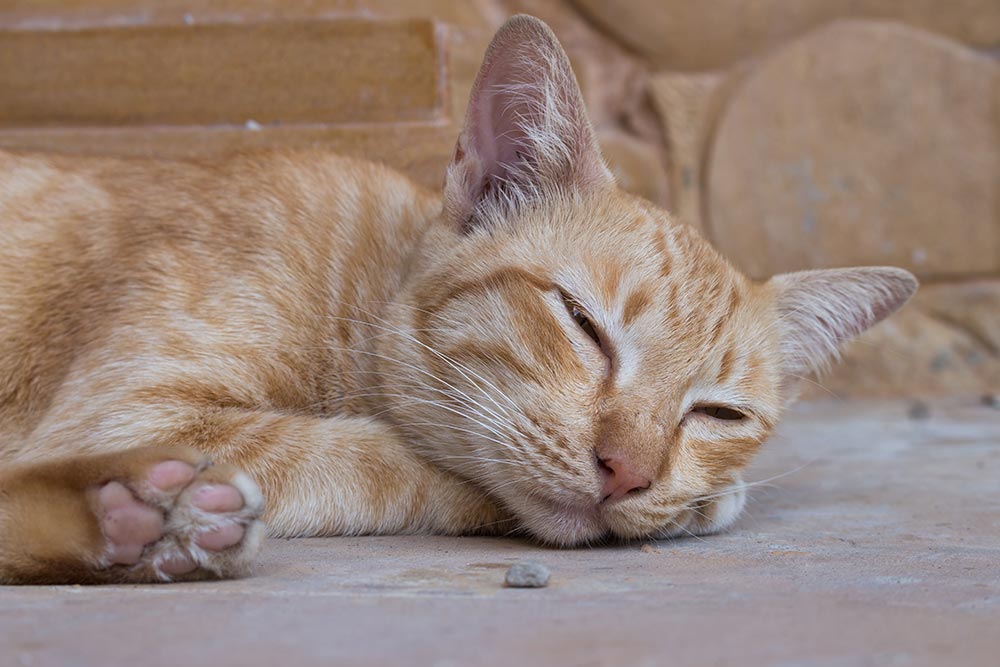
- Lethargy
- Fever
- Respiratory illness (sneezing, coughing, nasal discharge, labored breathing)
- Neurological signs (incoordination, seizures)
The severity of H5N1 infections in cats varies, but infections can be severe. Cat-to-cat transmission is not well-documented, and cats are generally considered ‘dead-end’ hosts, meaning they do not spread the virus.
Bird Flu in Dogs
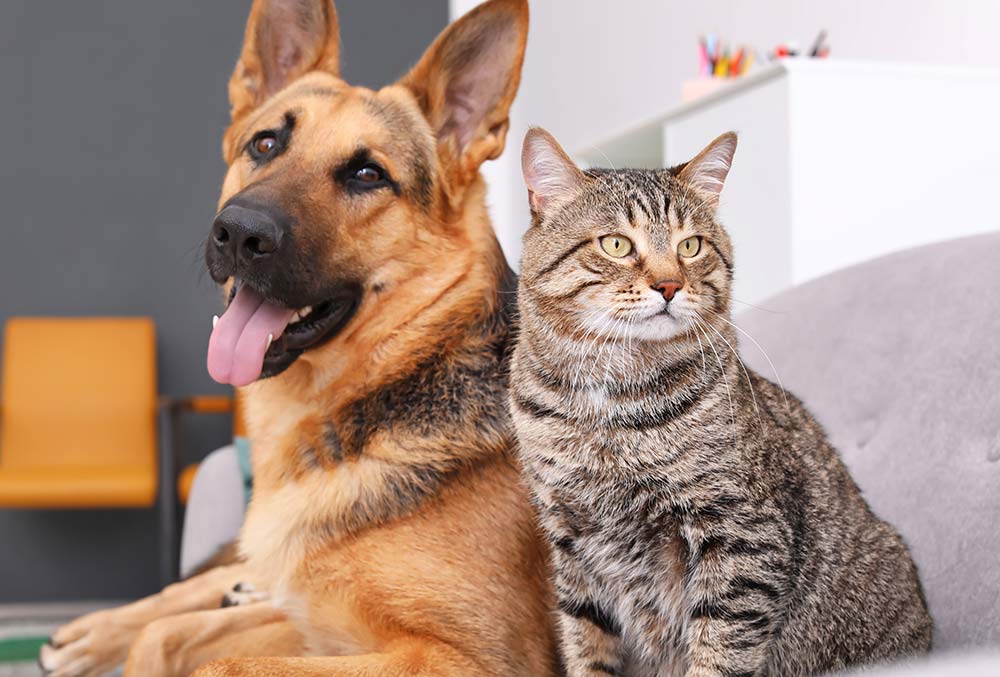
Dogs are even less likely than cats to contract H5N1. However, they can still be exposed, particularly through contact with infected birds. It’s best to keep dogs away from dead birds and other potential sources of infection.
Bird Flu and Humans
Human cases of H5N1 are rare and usually result from direct contact with infected poultry. To reduce risks:
- Avoid handling sick or dead birds.
- Practice good hygiene if caring for pets that may have been exposed to infected animals.
- Contact a healthcare provider if you develop flu-like symptoms after handling potentially infected animals.
There have been no reported cases of humans contracting bird flu from cats.
The Risks of Raw Diets
Feeding raw meat diets to pets carries significant risks, including exposure to dangerous pathogens such as H5N1, Salmonella, and E. coli. Even flash-frozen or irradiated products can harbor these harmful microorganisms. The rationale behind raw diets often stems from the belief that modern pets should eat like their wild ancestors. However, domesticated cats and dogs have undergone thousands of years of evolution, resulting in vastly different nutritional needs and digestive capabilities compared to their ancient predecessors.
Veterinarians and nutrition experts, including the American Veterinary Medical Association (AVMA), strongly advise against feeding raw diets to pets. Beyond the lack of scientific evidence supporting health benefits, raw diets increase the risk of nutritional imbalances, bacterial infections, and other health complications for both pets and their owners.
Safe Feeding Recommendations:
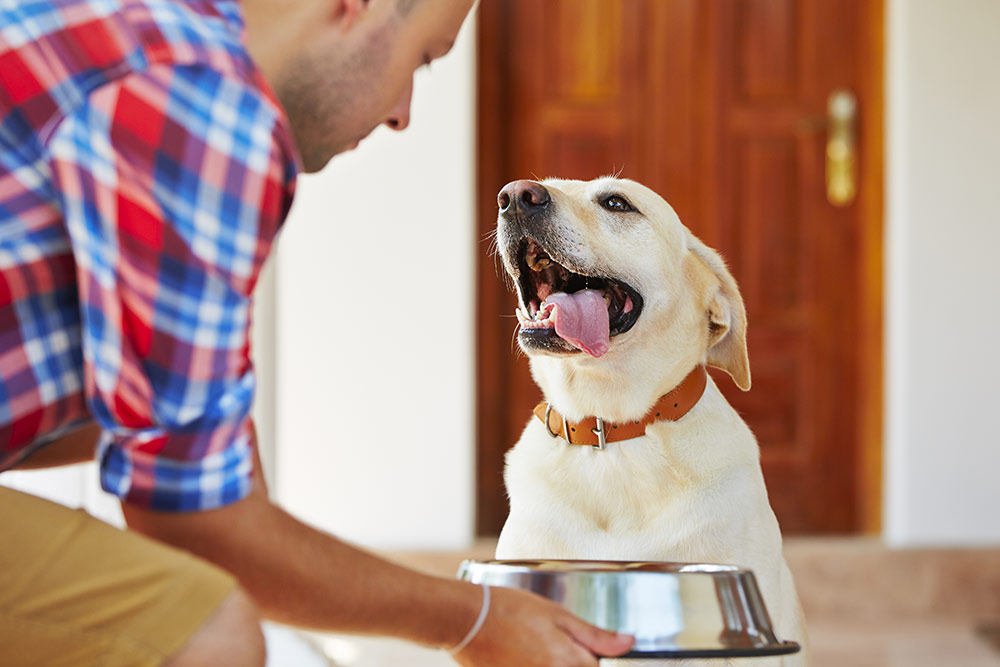
- Choose thoroughly cooked, feline-specific diets.
- Avoid unpasteurized dairy products.
How to Protect Your Cat from Bird Flu
-
Avoid Raw Diets: Raw diets increase the risk of exposure to harmful pathogens. Stick to cooked, nutritionally balanced pet foods.
-
Keep Cats Indoors: Indoor cats have significantly lower exposure risks. If possible, transition outdoor cats to an indoor lifestyle. Additionally, remove bird feeders to minimize cat-bird interactions.
-
Practice Good Biosecurity:
-
Clean and disinfect shoes.
-
Change clothes.
-
Wash hands thoroughly before interacting with your pets.
-
Monitor Your Cat’s Health: Be alert to any changes in your cat’s behavior, appetite, or respiratory health. Early symptoms of H5N1 can mimic other respiratory illnesses. If your cat shows signs of illness, especially after exposure to wild birds or raw diets, consult your veterinarian.
What to Do If Your Cat Shows Symptoms Symptoms to Watch For:
- Respiratory issues, such as coughing or nasal discharge
- Neurological symptoms, like incoordination or seizures
- Loss of appetite or lethargy
If H5N1 is suspected, limit close contact with your cat and practice good hygiene. Inform your veterinarian about any potential exposure to infected animals or raw food products.
Questions? We’re Here to Help
Your pet’s health and safety are our top priorities. If you have questions about avian influenza or your pet’s diet, our team at Small Door Veterinary is always here to assist you. Contact us through the app to schedule an appointment or connect with our telehealth team for 24/7 guidance.