Coughing in Cats
Written by Dr. Jamie Richardson (she/her)
Has your cat ever had a coughing episode that made you wonder why? While an occasional cough can be normal, frequent or ongoing coughing may signal an underlying problem in your cat’s respiratory system. Read on to learn what causes coughing in cats, how it’s diagnosed, and what treatment options are available.
In this article:
- What is coughing in cats?
- What causes coughing in cats?
- Diagnosing coughing in cats
- Treating coughing in cats
- Can coughing in cats be prevented?
What is coughing in cats?
Your cat’s respiratory system has two connected parts: the upper and lower respiratory tracts.
- Upper respiratory tract: mouth, pharynx, larynx (voice box), nasal passages, and sinuses
- Lower respiratory tract: trachea (windpipe, which connects the larynx to the lungs), lungs, and smaller airways within the lungs called bronchi
When a cat coughs, it’s a reflexive action to expel air and clear irritants, mucus, or foreign material from the airways. This protective reflex helps keep the respiratory passages clear.
A strong coughing episode may sometimes be accompanied by retching, vomiting, or even brief difficulty breathing.
According to Veterinary Partner, coughing is less common in cats than in dogs, but when it occurs, it’s most often seen in young to middle-aged cats.
What causes coughing in cats?
Coughing can occur occasionally or become a chronic issue.
Occasional coughing is usually harmless and may be triggered by environmental irritants such as:
- Pollen from open windows
- Household cleaners (aerosol sprays, bleach)
- Fragrances, room sprays, or scented candles
- Dust
- Smoke (from cigarettes or fireplaces)
A collar that is too tight can also cause a cough, and the act of bringing up a hairball can sound similar to coughing.
Persistent or recurring coughing can indicate a more serious underlying condition. Common causes include:
- Feline asthma (an allergic inflammatory condition of the lungs)
- Respiratory infections (viral, bacterial, fungal, or allergic)
- Bronchitis (inflammation of the lower airways)
- Tracheitis (inflammation of the trachea)
- Pneumonia (infection of one or both lungs)
- Inhaled foreign material (e.g., grass, dust, small objects)
- Parasitic infections (such as lungworms or heartworms)
- Tumors or cancer affecting the lungs or airways
- Heart disease (especially congestive heart failure, which can cause fluid buildup in the lungs and lead to coughing)
Diagnosing coughing in cats
Cats that cough frequently should be examined by a veterinarian. A thorough physical exam and diagnostic tests help identify the underlying cause.
Initial diagnostic tests may include:
- Thoracic radiographs (X-rays): to evaluate the lungs, airways, and heart
- Bloodwork: a complete blood count (CBC) to assess infection or inflammation, a chemistry panel to evaluate organ function, and a heartworm test
- Fecal exam: to detect parasites that might migrate to the lungs
If coughing persists or the initial tests are inconclusive, additional diagnostics may be recommended, such as:
- Bronchoscopy**:** to visually examine the airways and collect samples for cytology and culture
- CT scan: to provide detailed imaging of the respiratory system
Treating coughing in cats
Treatment depends on the underlying cause.
- Infections: Antibiotics, antifungal, or antiviral medications may be prescribed depending on the type of infection.
- Environmental causes: Reduce exposure to allergens and irritants by cleaning regularly, avoiding fragranced products, and eliminating smoke in the home.
- Asthma or chronic bronchitis: Corticosteroids (oral or inhaled) may be prescribed. Inhaled medications are administered through a cat-specific chamber that fits over the nose and mouth.
- Parasitic infections: Antiparasitic medications can eliminate lungworms or heartworms.
- Cancer: Treatment options may include surgery, chemotherapy, or palliative care to improve comfort and breathing.
- Heart disease: Medications such as diuretics or ACE inhibitors may reduce fluid accumulation and ease coughing.
Severe or chronic cases may also require supportive therapies such as oxygen supplementation or nebulization.
Can coughing in cats be prevented?
Not all coughing can be prevented, but reducing environmental irritants and maintaining regular veterinary care can lower your cat’s risk.
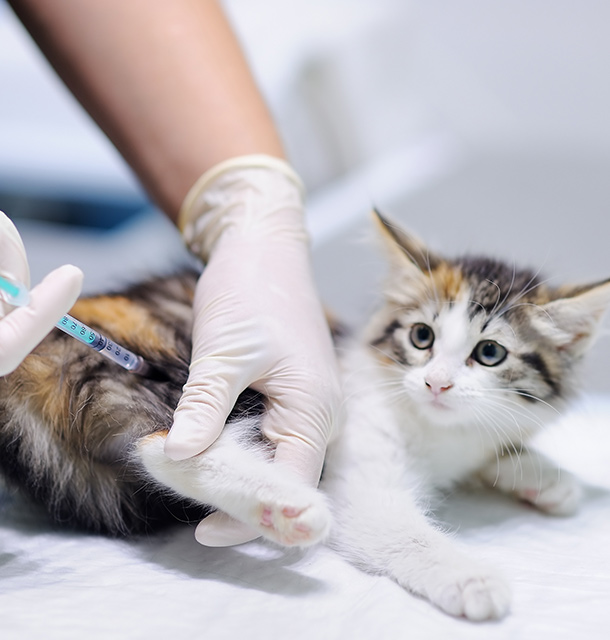
- Regular veterinary care: Keep your cat current on vaccinations and schedule wellness exams to detect early signs of illness. Vaccinations protect against several respiratory viruses that can cause coughing.
- Parasite prevention: Use year-round parasite prevention (for example, Revolution Plus) as recommended by your veterinarian.
- Environmental control: Avoid smoking or using aerosols, harsh cleaners, or scented candles in the home. Choose low-dust, unscented litter (such as Dr. Elsey’s). Regular cleaning and HEPA-filter air purifiers can help reduce dust and airborne allergens.
Summary
Coughing in cats is a symptom, not a disease. While an occasional cough may be normal and help clear irritants or hairballs, persistent or worsening coughing warrants a veterinary visit. Identifying and treating the underlying cause early is key to ensuring your cat’s respiratory health and overall well-being.