The Ultimate Guide to Pet Dental Health
Written by Dr. Jamie Richardson (she/her)
Good dental health is essential for your pet’s overall well-being, yet it’s often overlooked. Just like humans, pets can suffer from plaque buildup, gum disease, and tooth decay, leading to pain, difficulty eating, and even systemic health issues affecting their heart, kidneys, and liver. Periodontal disease is one of the most common medical conditions in pets, affecting over 80% of dogs and 70% of cats by age three. The good news? It’s preventable. Regular professional cleanings, at-home dental care, and early detection of problems can help keep your pet’s mouth healthy and pain-free. This guide covers everything you need to know about pet dental care, from recognizing signs of dental disease to understanding the importance of anesthesia-assisted cleanings and at-home maintenance tips. Read on to ensure your pet enjoys a lifetime of healthy smiles.
In This Article:
- Why Pet Dental Health Matters
- Surprising Facts About Your Pet’s Mouth
- Signs of Dental Disease in Pets
- What Happens During a Professional Dental Cleaning?
- How Often Should Your Pet Get a Dental Cleaning?
- The Risks of Anesthesia-Free Dental Cleanings
- At-Home Dental Care: Vet-Recommended Tips & Products
- Learn More
Why Pet Dental Health Matters
Just like humans, pets need routine dental care to stay healthy. While at-home care like brushing and dental chews can help, professional cleanings are essential to prevent and treat dental disease—one of the most common health issues in pets.
Without proper care, plaque and tartar build-up can lead to gingivitis and eventually periodontal disease, a painful infection of the gums and surrounding tissues. Periodontal disease affects over 80% of dogs and 70% of cats by the age of three. If left untreated, it can cause chronic pain, difficulty eating, and serious health issues affecting the heart, kidneys, and liver.
Surprising Facts About Your Pet's Mouth
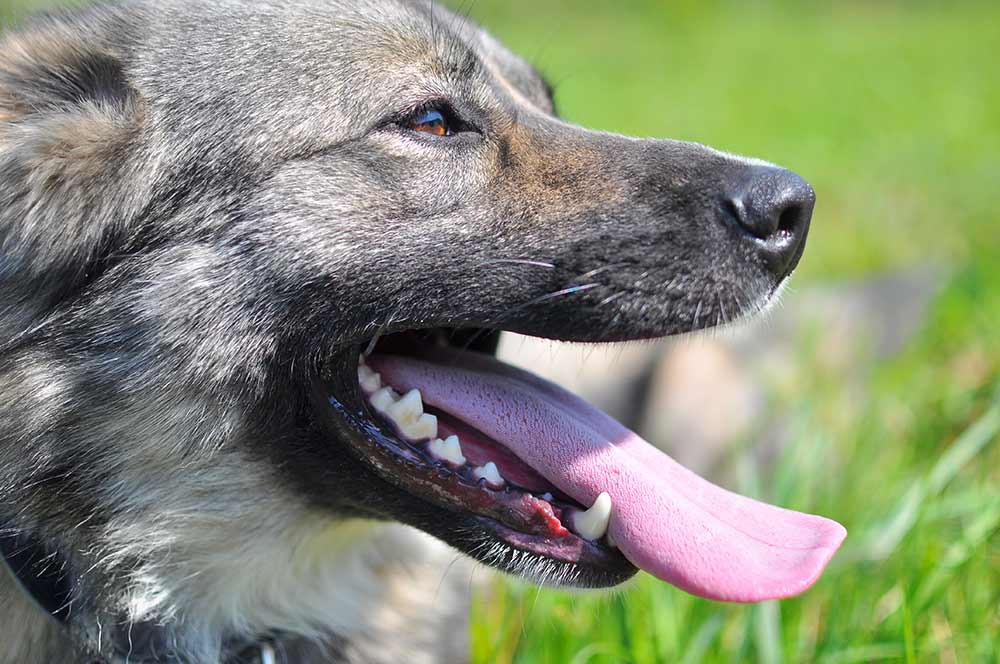
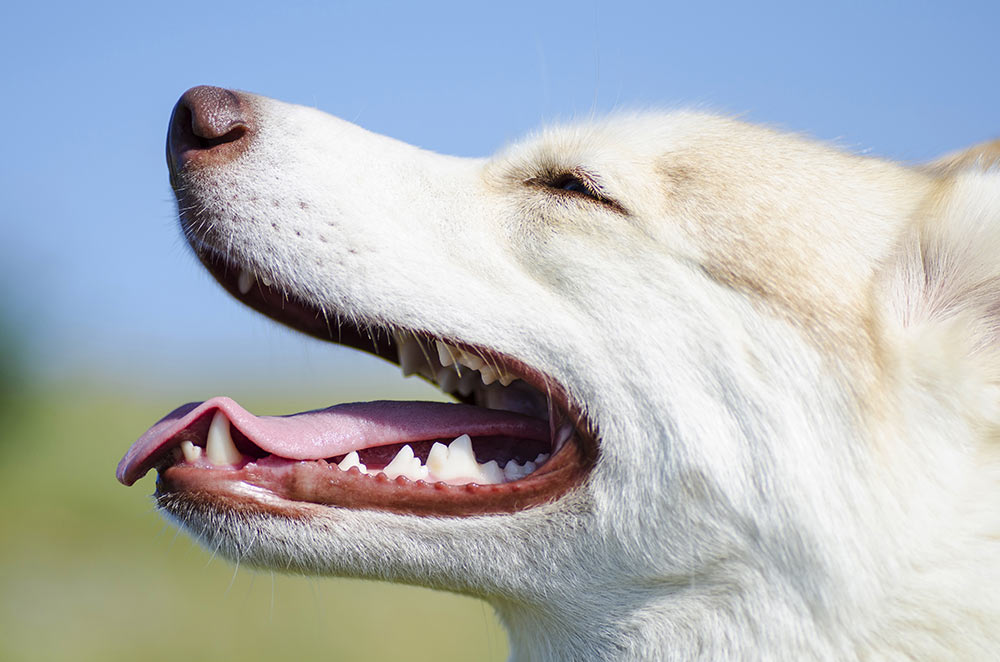
- Dogs have 42 teeth, while cats have 30—and just like us, they need regular dental care.
- Bad breath isn’t normal—persistent odor is often a sign of underlying dental disease.
- Cats can develop resorptive lesions—a painful condition that weakens teeth and may require extraction.
- Bacteria from dental disease can spread—leading to heart and organ damage over time.
- Small and flat-faced (brachycephalic) breeds are at greater risk—crowded teeth can increase tartar buildup and gum disease.
Signs of Dental Disease in Pets
Not sure if your pet needs a dental cleaning? Look out for these common signs:
- Bad breath
- Yellow or brown tartar buildup
- Red, swollen, or bleeding gums
- Difficulty eating or chewing
- Excessive drooling
- Pawing at the mouth
- Loose, missing, or broken teeth
What Happens During a Professional Dental Cleaning?
At Small Door Veterinary, we take a comprehensive approach to your pet’s dental health. Here’s what you can expect:
- Pre-Procedure Evaluation: Before the cleaning, we conduct a full health assessment, including bloodwork and other diagnostics specific to your pet’s age, breed, and health status, to ensure your pet is safe for anesthesia.
- Anesthesia & Monitoring: Pets don’t sit still for dental cleanings. Anesthesia ensures they stay comfortable and stress-free, while a dedicated nurse monitors their vital signs every step of the way. Anesthesia safety is our top priority. We tailor anesthesia protocols to your pet’s specific needs and use advanced monitoring equipment to track heart rate, blood pressure, oxygen levels, and more.
- Full-Mouth X-Rays & Below-the-Gumline Evaluation: Dental disease often hides beneath the gum line, where we cannot assess it on a physical exam. Full-mouth radiographs allow us to detect hidden infections, fractures, or bone loss before small problems become large ones.
- Scaling & Polishing: We carefully remove plaque and tartar buildup, then polish the teeth to smooth surfaces and slow future buildup.
- Surgical Extractions & Crown Restoration Procedures: If a tooth is severely damaged or infected, surgical extraction and/or other crown restoration procedures may be required to relieve pain and prevent further complications. Our team will always discuss recommendations with you beforehand.
- Post-Procedure Care: Once your pet wakes up, we provide pain management (if needed) and clear aftercare instructions to ensure a smooth recovery at home.
How Often Should Your Pet Get a Dental Cleaning?
Most pets require dental cleanings and assessments under anesthesia yearly, but the exact frequency will be determined by your veterinarian during their annual physical exam. Factors such as breed, age, and overall dental health influence the recommended schedule.
The Risks of Anesthesia-Free Dental Cleanings
Some facilities offer anesthesia-free dental cleanings, but these put pets at risk. Without anesthesia:
- Water used during cleaning can be inhaled into the lungs, leading to aspiration pneumonia.
- Pets may move suddenly, increasing the risk of oral injury from sharp or hot dental instruments.
- Scaling only removes visible tartar and doesn’t address below-the-gumline disease, where serious problems often start.
For a safe and thorough dental cleaning, anesthesia is essential.
At-Home Dental Care: Vet-Recommended Tips & Products
Keeping your pet’s teeth clean between vet visits is essential for long-term oral health. Here’s how:
-
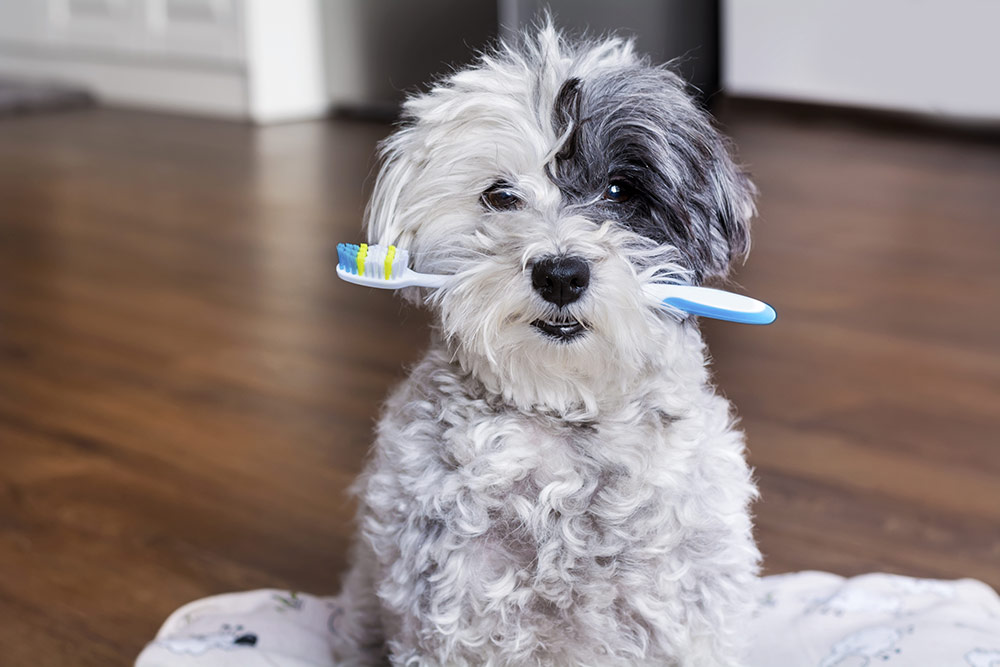
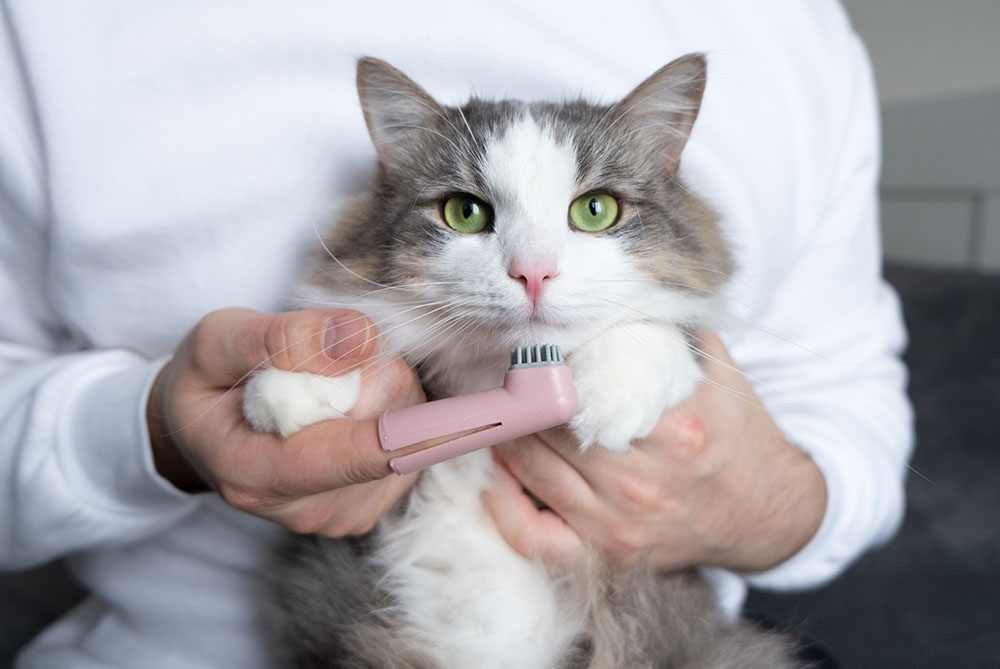
Daily Brushing – The gold standard in pet dental care. Use pet-safe toothpaste and a soft toothbrush. Never use human toothpaste—it contains toxic ingredients like fluoride and xylitol.
-
Dental Chews & Treats – Specially formulated chews help scrape off plaque and freshen breath. Look for VOHC-approved options such as:
-
For Dogs: Greenies®, Hill’s Prescription Diet t/d, Purina DentalLife
-
For Cats: Feline Greenies®, Purina DentalLife
-
Water Additives & Dental Gels – These can help freshen breath and prevent bacteria buildup. Ask your vet about recommended water additives, like VETRADENT, Skout's Honor, ProDen PlaqueOff, TropiClean.
-
Routine Vet Check Ups – Regular visits help catch issues early and keep your pet’s mouth in top shape.
Give Us a Call or Email to Learn More
Dental disease is one of the most common—but preventable—health concerns in pets. A professional cleaning can help keep your pet pain-free, healthy, and happy.
If you have any questions or are considering a dental procedure, give us a call or send us an email through the Small Door app. We’re here to help!
Reach out today to discuss your pet’s dental health: 212.933.9044 or hi@smalldoorvet.com