Trazodone for Dogs
Written by Dr. Jamie Richardson (she/her)
Feelings of fear and anxiety in your canine may lead to behavioral issues, and they’re reported to affect about 44% of dogs at some point in their lives, according to researchers in the Journal of Veterinary Behavior. Noise phobias appear to be one of the more common triggers. Trazodone, an oral medication often used to treat such conditions in dogs, is a helpful tool when treating short-term situational anxiety from these phobias and long-term anxiety in some dogs. Dog owners may wonder if trazodone is safe for dogs. Read on to learn more about trazodone and what the medication is used for in dogs.

In this article:
- What is trazodone for dogs?
- How is trazodone given?
- How long does it take for trazodone to work in dogs?
- What if I miss giving my pet the medication?
- Are there any potential side effects?
- What are the most serious risks of trazodone for dogs?
- Are there any drug interactions I should be aware of?
- How do I store trazodone?
- What is the typical trazodone dosage for dogs and how is it given?
- How do you help dogs with phobias?
- Can you use gabapentin and trazodone together for dogs?
What is trazodone for dogs?
Trazodone is an oral medication for dogs that treats anxiety and stress by increasing serotonin levels in the brain. Serotonin is a chemical, or neurotransmitter, that travels around the brain and body to help regulate behavior, appetite, and sleep in both humans and dogs. By slowing the brain from removing used serotonin and keeping it around longer, trazodone, a serotonin antagonist reuptake inhibitor (also known as a SARI), increases serotonin levels. The more serotonin that is available in the brain, the happier and less anxious your dog will be.
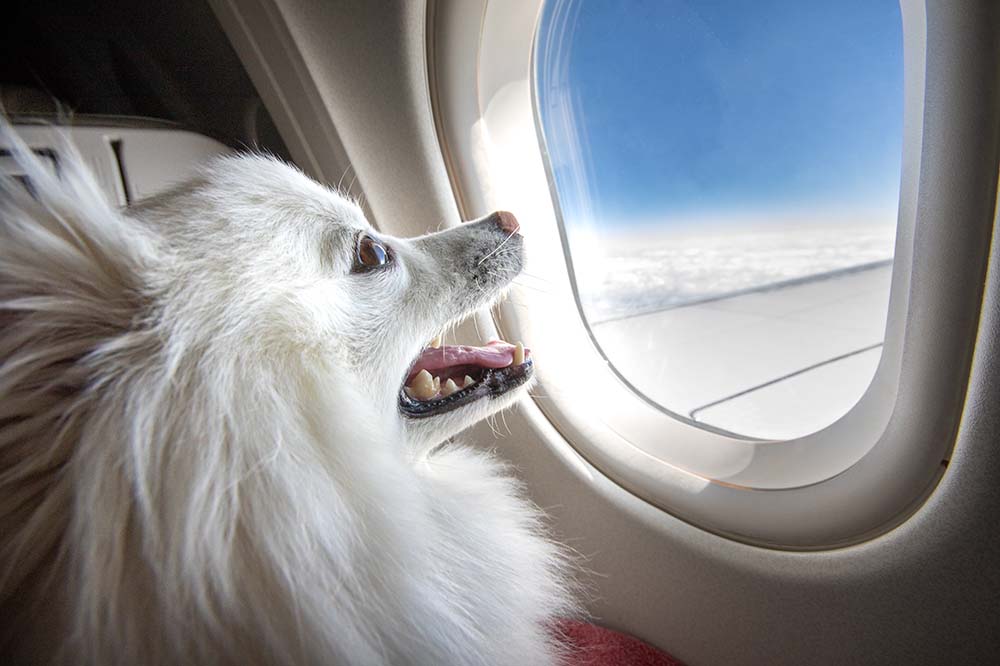
As a pet owner, you may wonder if dogs can take trazodone. Trazodone is often prescribed by veterinarians to help dogs cope with situational anxiety, such as separation anxiety, fear of loud noises (such as fireworks or thunderstorms), or stress related to veterinary visits or travel. Trazodone is helpful as a tool for these short-term, single-use circumstances, and, for some dogs, it’s also helpful as a daily, long-term treatment for ongoing behavioral conditions, such as anxiety disorders. It's sometimes combined with other medications and interventions.
This medication is also commonly administered in the veterinary hospital setting as a pre- and post-anesthetic sedative for surgical procedures in order to help reduce anxiety and promote calmness in dogs.
How is trazodone given?
Trazodone is a round, white tablet that is given orally (by mouth), and it may be administered with or without food. It’s generally taken two times per day.
How long does it take for trazodone to work in dogs?
Every dog is different, and some may take longer than others for the medication to take effect. For situational anxiety purposes, it’s a good idea to test the medication prior to the main use to see how your dog responds and how long it takes. In general, the medication takes effect in about two hours for short-term stress relief, but for long-term treatment of anxiety, full effects can take up to two weeks to be seen.
What if I miss giving my pet the medication?
If your dog misses a dose of trazodone, do not double-dose. Instead, you can just resume their normal schedule at their next dose.
Are there any potential side effects?
The safety profile of trazodone in dogs is well established. The trazodone side effects for dogs vary, but studies have shown that 80% of dogs taking trazodone experience no negative side effects, according to Veterinary Information Network. The most common side effects were mild sedation, diarrhea, seeking out food aggressively, and nausea. Dogs prescribed trazodone will typically exhibit quiet, but responsive, behavior.
However, more concerning trazodone side effects in dogs are possible. These other possible, more severe side effects may include:
- Dilated pupils
- Lethargy
- Vomiting
- Gagging
- Colitis/diarrhea
- Ataxia (wobbly walk or stance)
- Arrhythmias (an irregular heartbeat)
- Increased anxiety
- Increased appetite/hunger
- Aggression
- Priapism (a prolonged erection of the penis)
When trazodone is used along with other anxiety medications or too much trazodone is consumed (trazodone dog overdose symptoms), an overload of serotonin may occur, called serotonin syndrome. This can range from mild to severe and may lead to:
- Vomiting
- Diarrhea
- Loss of appetite
- High blood pressure
- Seizures
- Hyperthermia (high body temperature)
- Sensitivity of the skin
- Depression
- Dilation of pupils
- Vocalization (unusual barking, crying, whining, or howling)
- Blindness
- Excessive salivation
- Difficulty breathing
- Loss of control of movements
- Paralysis (difficulty walking)
- Disorientation or confusion
- Coma
- Death
Serotonin syndrome can become life-threatening. It’s important to take your dog to the veterinarian if you see signs of it. It typically develops within one to 12 hours after taking medication.
What are the most serious risks of trazodone for dogs?
The most serious possible risks and side effects caused by trazodone in dogs may include incoordination (which may appear as walking drunkenly), vomiting, diarrhea, appetite changes, agitation, dilated pupils, drooling, increased heart rate, and panting. If your dog begins experiencing any of these symptoms, discontinue administration of trazodone and contact your veterinarian or a pet poison control line immediately.
This medication should not be used in pets who experience hypersensitivity to trazodone, are taking an MAO inhibitor (selegiline hydrochloride) for conditions such as Cushing’s disease or canine cognitive dysfunction), have angle-closure glaucoma, or are in liver, heart, or kidney failure. Dogs with heart disease, or dogs with liver or kidney impairment, or dogs who are pregnant need to be cautious when taking trazodone. Your veterinarian can advise you on the risks and benefits for your dog if they have these or other medical conditions.
Are there any drug interactions I should be aware of?
It’s important to use caution with other medications when giving your dog trazodone, as they may cause or increase potential side effects. Medication interactions to be cautious of when your dog is taking trazodone may include:
- Acepromazine
- Antihypertensive drugs
- Aspirin
- Antifungals
- Cisapride
- CNS depressants
- Diuretics
- Fluoroquinolones
- Macrolide antibiotics
- Monoamine oxidase inhibitors (MAOIs)
- Metoclopramide
- Nonsteroidal anti-inflammatory drugs (NSAIDs)
- Ondansetron
- Selective serotonin reuptake inhibitors (SSRIs)
- Antidepressants
- Tramadol
Many of these drugs may increase serotonin too much when used along with trazodone, increasing the risk of serotonin syndrome. Other drug interactions may cause your dog to be overly sedated, increase the risk of bleeding, or up the risk of heart rhythm problems.
For the safety of your pet, please be sure to inform your veterinarian of any medications your dog may be currently prescribed or taking prior to starting trazodone.
How do I store trazodone?
Trazodone should be stored between 20°C and 25°C (68°F to 77°F). It also needs to be kept inside an airtight container and protected from light.
What is the typical trazodone dosage for dogs and how is it given?
The trazodone dosing for dogs is available in the following milligram (mg) strengths: 50 mg, 100 mg, 150 mg, and 300 mg.
How much trazodone can a dog have? In veterinary medicine, medication dosage is based on the weight of the pet. A dosage chart by weight in kilograms (kg) is used for your dog. The standard dosage for dogs is 5 mg/kg, given at least 1 hour prior to the stressful event. The effects of trazodone will last for six to 12 hours. However, it may take longer to metabolize in dogs with liver or kidney disease. In many cases, a lower dose is started and then gradually increased to help reduce stomach upset or other side effects.
How do you help dogs with phobias?
To help manage your dog’s phobias, a multi-pronged plan with behavior training may help. First, consult your veterinarian to help determine the most appropriate course of treatment for your dog’s specific situation. Phobias can often be successfully managed through training or counterconditioning, exercise, nutritional support (such as supplements or vitamins), and veterinary guidance. Sometimes, prescribed medications are necessary.
It may also be helpful to create safe spaces within the home that will provide your dog with comfort during events like thunderstorms or fireworks.
In some cases, however, phobias and other behavioral disorders may come down to biology and are due to too low levels of serotonin, in which case both medication and behavioral modification techniques are often combined.
Can you use gabapentin and trazodone together for dogs?
Certain medications, such as gabapentin, may provide additional therapeutic effects when used in conjunction with trazodone. Taken correctly, they’re safe together. In dogs, gabapentin is used to treat chronic nerve pain and as an adjunctive therapy for seizures or epilepsy. The mild sedating effects of trazodone help to ease stress. Together, these drugs help treat pain and anxiety.
Veterinarians will often administer a combination of gabapentin and trazodone to dogs undergoing surgery to help provide additional sedation as well as pain relief. As with all medications, side effects are possible, and your dog should be monitored for any unusual symptoms or behavior.
Conclusion
When properly used, trazodone works to safely ease anxiety and fearfulness in dogs. It’s often prescribed along with behavior modification approaches. If you’re concerned your dog is experiencing behavioral issues that may benefit from treatment with trazodone, ask your veterinarian if they feel this option is a fit for your dog.