How to Clean Your Dog's Ears
Written by Dr. Jamie Richardson (she/her)
Ear cleaning is an important part of your dog’s regular wellness routine. While some dogs rarely need their ears cleaning, others rely on us to keep an eye on their ears and remove built-up debris and dirt to protect against ear infections. Learn more below about how to recognize when an ear needs cleaning, and the best method to use.
In This Article
- How often to clean your dog's ears
- Check your dog's ears
- How to clean your dog's ears
- What to do if cleaning your dog's ears causes them pain
How Often Should You Clean Your Dog’s Ears?
When it comes to ear cleanliness, dogs vary greatly. Some dogs’ ears naturally stay clean and healthy, and rarely need their ears cleaned.
Other dogs need regular cleaning (sometimes weekly or bi-weekly) to prevent dirt building up, which can cause infections.
Dogs who spend a lot of time in the water, and breeds with long dangling ears, like Basset Hounds and Cocker Spaniels, are particularly susceptible.
Get Into the Habit of Checking Your Dog’s Ears
It’s important to regularly check your dog’s ears, to make sure you catch any issues before they become serious.
Learn what your dog’s ears look and smell like when they’re healthy (light pink, relatively odorless, clean and not inflamed).
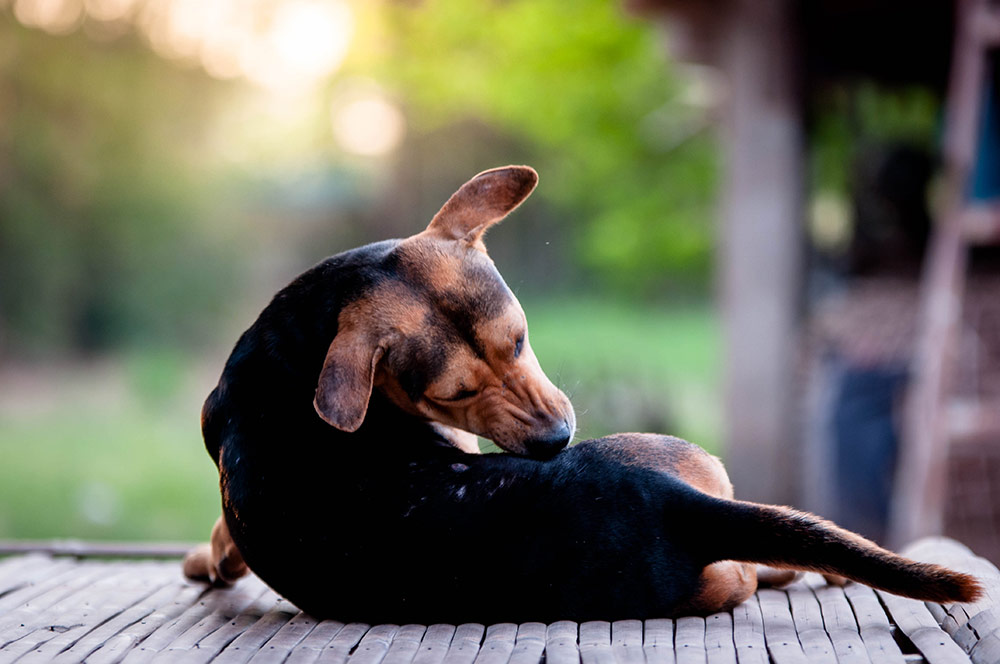
Well-socialized dogs generally love having their ears stroked, but if your dog ever pulls away from your touch, their ears may be causing them pain. If you notice your dog pawing at their ear or shaking their head, this also indicates a potential problem.
It’s important to regularly check your dog’s ears, to make sure you catch any issues before they become serious.
How to Clean Your Dog’s Ears
- Apply ear cleaning solution. Using a vet-approved ear cleaning solution, squeeze enough of the solution into your dog’s ear to fill the canal. You want to be able to see the liquid pooling in the ear canal. Try to avoid touching the applicator to your dog’s ear, to avoid transmitting bacteria.
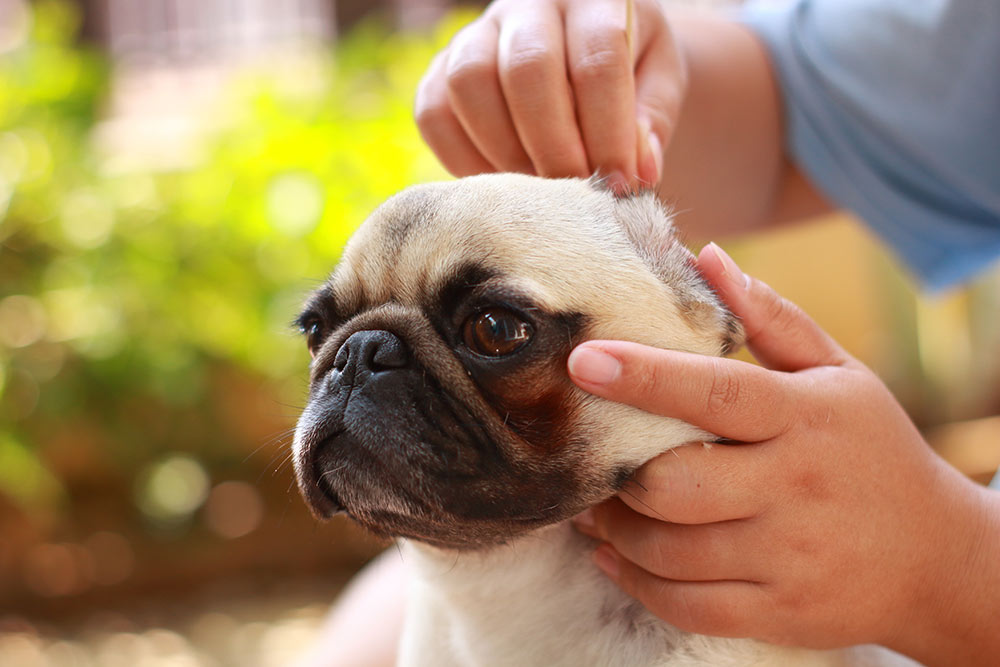
- Massage the ear. With the solution still inside, hold down by the base of the ear and massage gently for around 30 seconds to loosen wax and debris deep in the canal. Most of the time, your dog will lean into your hand massaging, because it feels good!
- Clean the ear. Take a cotton ball or piece of gauze and gently wipe their ear canal. You may wish to do this a few times with a fresh piece of cotton/gauze, as you clear away the debris. Do not use Q-tips or anything with a pointed tip, as they can push dirt deeper or cause damage to the ear drum.
- Dry the ear. Once the ear looks clean, we recommend placing a fresh cotton ball into the ear (not too far down!) and then massaging the ear again to dry out any remaining solution.
- Let your dog shake their head. Many dogs may give their head a little shake to remove any excess debris and/or solution, because the cleaning fluid tickles their ear a little. This is completely normal, and actually helps the cleaning process.
Check out our ear cleaning video on YouTube for a demonstration of this method from Dr Jamie Richardson.
If in Doubt, Ask Your Vet for Advice
If your dog seems to be in pain at any time, stop and contact your veterinarian for advice.
Also, be careful not to over-clean your dog’s ears (clean too frequently), as this can also cause irritation and lead to infection. Your vet can advise the most appropriate frequency for your dog’s breed and lifestyle.
Note that cleaning an infected ear can be very painful, so if you suspect an infection, it is best to have your vet examine your pet.